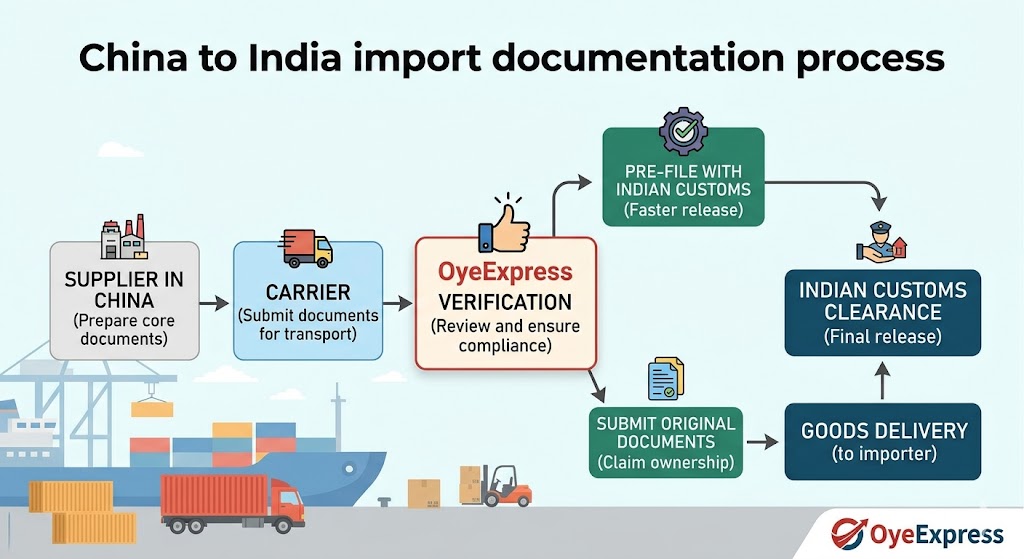
Introduction
What if you could cut your import costs by up to 20% with just a few smart strategies? Importing goods from China can be incredibly profitable, but import duty from China often feels like a hidden cost that eats into your margins. These fees can quickly pile up, leaving you with less profit than you anticipated. So, how do you navigate this without breaking the bank?
Managing import duty from China doesn’t have to be overwhelming. With the right steps, you can minimize these expenses, avoid delays, and keep your imports running smoothly. In this guide, we’ll dive into 5 expert-approved tips to help you master import duties like a pro. Whether you’re shipping to India, the USA, Canada, or Australia, these insights will help you save time and money. Ready to maximize your imports? Let’s get started!
Understand the Basics of Import Duty from China
Let’s start with the basics—import duty from China is more than just a random fee slapped onto your shipment. It’s a calculated tax imposed by the destination country’s customs authority on imported goods. But understanding how it works is essential for keeping your costs in check and avoiding surprises.
What is Import Duty?
Think of import duty as the cost of bringing goods across international borders. Every country charges a fee to protect local industries, regulate trade, and raise revenue. For you, as an importer, it means a percentage of your shipment’s value will be taxed before you can bring your products into the country. Ignoring this step could lead to unexpected costs and delays that eat into your profits.
Country-Specific Import Duty Rates
The tricky part? Each country has different import duty rates. Here’s a quick look at how import duty from China varies by destination:
Pro Tip: Always research your country’s specific duty rates before placing an order. That way, you can estimate the total cost and adjust your profit margins accordingly.
Why Knowing Your Product’s HS Code is Crucial
The Harmonized System (HS) code is like the DNA of your product in the world of international trade. Each product has a unique HS code, which customs authorities use to determine how much duty you’ll pay. Without the correct HS code, you could end up paying the wrong duty rate—or worse, your shipment could be delayed in customs.
Pro Tip: Always get the HS code from your supplier and double-check it with customs or your freight forwarder to avoid any misclassification issues.
Now that you have a solid grasp on the basics, let’s dive into the next critical aspect—calculating import duties in advance to avoid financial surprises.
Calculate Import Duty in Advance to Avoid Surprises
Nobody likes surprise costs, especially when importing goods. One of the easiest ways to protect your profits is by calculating your import duty from China upfront. By knowing your total costs ahead of time, you can avoid that dreaded moment when your shipment arrives, and the fees are way higher than you expected.
Use Online Duty Calculators
Why guess when you can calculate? Many online tools are available to help you estimate your import duty from China before your goods even leave the factory. These calculators allow you to enter your product’s HS code, value, and destination country to get an accurate estimate of the duty charges.
Pro Tip: Always use these calculators before finalizing your purchase to ensure the import duty fits within your budget.
Factor in Other Costs
Import duty is just one piece of the puzzle. Don’t forget about the “extras” that can quietly eat into your budget:
Pro Tip: When estimating total costs, don’t forget these extras. Think of them like hidden fees on a service bill—you don’t want to be caught off guard!
Plan for Variable Costs
Import costs aren’t set in stone, especially when dealing with international trade. Currency fluctuations, changing tariffs, and market conditions can all affect the total cost of your import. For example, if the currency exchange rate changes, the value of your shipment might rise or fall, affecting the final import duty.
Pro Tip: Keep an eye on exchange rates and plan for at least a small buffer in case costs change. It’s like leaving extra room in your budget for unexpected expenses.
Now that you’ve calculated your costs and factored in potential fees, the next step is to make the most of trade agreements and duty exemptions. Let’s dive into how you can lower your duty costs even further!
Leverage Trade Agreements to Minimize Import Duty
Imagine slashing your import duty from China without cutting corners. Sounds too good to be true? It’s not. Trade agreements and duty exemptions can help you significantly reduce your import costs, giving you an edge in the competitive global market.
Check for Free Trade Agreements (FTAs)
Many countries have trade agreements with China that allow for reduced or even eliminated import duties on specific products. It’s like having a VIP pass that cuts the line at customs.
Pro Tip: Always ask your supplier for a certificate of origin. This document proves where the product was made and is crucial for claiming reduced duty rates under FTAs.
Duty Exemptions for Specific Products
Not every product qualifies for reduced import duties, but some do. It’s all about understanding your product’s classification and how it fits within the trade agreements between your country and China
Pro Tip: Do a deep dive into your product category. A little research can go a long way toward slashing your import duty from China.
Utilize Special Import Schemes
Governments often offer special programs for businesses to claim back duties on re-exported goods or those used in manufacturing. These programs, such as duty drawback schemes, are designed to boost international trade and manufacturing by refunding import duties after certain conditions are met.
Pro Tip: Consult with a customs broker or trade expert who can help you navigate these schemes and claim the refunds you’re entitled to.
Now that you’ve explored ways to cut down on import duties through trade agreements and exemptions, let’s focus on ensuring your imports arrive safely, efficiently, and without any logistical hiccups. Next, we’ll dive into working with a reliable freight forwarder to streamline your process.

Work with a Reliable Freight Forwarder to Streamline Duty Management
Partnering with the right freight forwarder can save you time, money, and stress when managing import duty from China. Here’s how an experienced freight forwarder simplifies the process and ensures smooth operations.
Why Choose an Experienced Freight Forwarder?
Handling import duty from China can be complicated, especially when dealing with varying customs regulations across countries. An experienced freight forwarder knows the ins and outs of customs processes and can navigate these challenges for you:
Pro Tip: Look for freight forwarders with a strong track record in handling furniture imports, as they’ll be better equipped to meet your specific needs.
Customs Clearance Assistance
Navigating customs is no easy feat. There’s paperwork to file, taxes to calculate, and various duties to pay. A reliable freight forwarder takes this burden off your shoulders by:
Example: One client reduced customs delays significantly by working with a freight forwarder who double-checked all the paperwork, ensuring no forms were missing or incorrectly filled.
Expert Advice on Duty Reduction
Freight forwarders don’t just move your goods; they also offer valuable advice on minimizing costs:
Pro Tip: Choose a forwarder who understands the nuances of trade agreements that apply to your imports, as this can significantly lower your import duty from China.
Now that you know how a freight forwarder can simplify the process, let’s dive into the final section on how to stay compliant with evolving import duty regulations and avoid costly mistakes.

Monitor Duty Changes and Stay Compliant
In the fast-moving world of international trade, staying on top of import duty from China is crucial to avoid costly fines and ensure smooth operations. The good news? With a few simple strategies, you can stay ahead of regulatory changes and keep your business compliant.
Stay Updated on Regulatory Changes
Trade laws and tariffs don’t stay the same forever. Events like trade disputes or changes in international relations can lead to sudden shifts in import duty from China. Staying informed about these updates can help you adjust your business strategies quickly and avoid financial setbacks.
Avoiding Fines for Incorrect Duty Declarations
Filing incorrect import duty declarations can lead to hefty fines or shipment delays. Accuracy is key when it comes to customs declarations, so here are a few tips to help you stay compliant:
Pro Tip: If you’re unsure about certain duty rates or tax rules, it’s worth hiring a customs expert to handle the declaration process. One mistake could cost more than the consulting fee.
Work with a Compliance Expert
Importing involves navigating a maze of rules, and working with a customs compliance expert can help you avoid costly mistakes. A compliance expert will:
With a clear understanding of how to stay compliant and avoid fines, you’re now well-prepared to manage import duty from China with confidence. In the next section, we’ll wrap up by reviewing the key takeaways to ensure you’re ready to streamline your imports successfully!
Conclusion
By applying these 5 expert-approved tips, you’re now better equipped to manage import duty from China smoothly and efficiently. Whether you’re shipping to India, Australia, Canada, or the USA, OyeExpress is here to ensure you avoid hidden fees, minimize delays, and keep your imports on track. With our expert guidance and logistics support, you’ll be able to focus on growing your business while we handle the complexities of customs and duties.
Ready to streamline your next import with OyeExpress? Get in touch with us today for personalized solutions that will help you save both time and money. Let’s make your next import a success!
FAQ’s:
- Q1: What factors determine the import duty from China?
- A:
Import duty is calculated based on the value of the goods, the product’s HS code, and the country you’re importing to. Additional factors include shipping costs, insurance, and whether there are applicable trade agreements between China and your country
- Q2: Can I reduce import duty costs from China?
- A:
Yes, you can reduce import duty costs by using free trade agreements, ensuring accurate HS code classification, and working with experienced customs brokers or freight forwarders who can help optimize your shipping strategy.
- Q3: How do I calculate import duty in advance?
- A:
.
You can use online duty calculators like SimplyDuty or DutyCalculator. By entering the product’s HS code, value, and destination country, you’ll get an estimated import duty cost before shipping. - Q4:What happens if I make an incorrect duty declaration?
- A:
An incorrect duty declaration can lead to penalties, shipment delays, or even seizure of your goods by customs authorities. It’s essential to ensure accurate documentation to avoid costly fines.
- Q5: Should I hire a customs compliance expert?
- A:
Hiring a customs compliance expert is recommended if you’re dealing with complex shipments or large volumes. They can ensure you meet all legal requirements, avoid penalties, and potentially reduce your import duty costs.